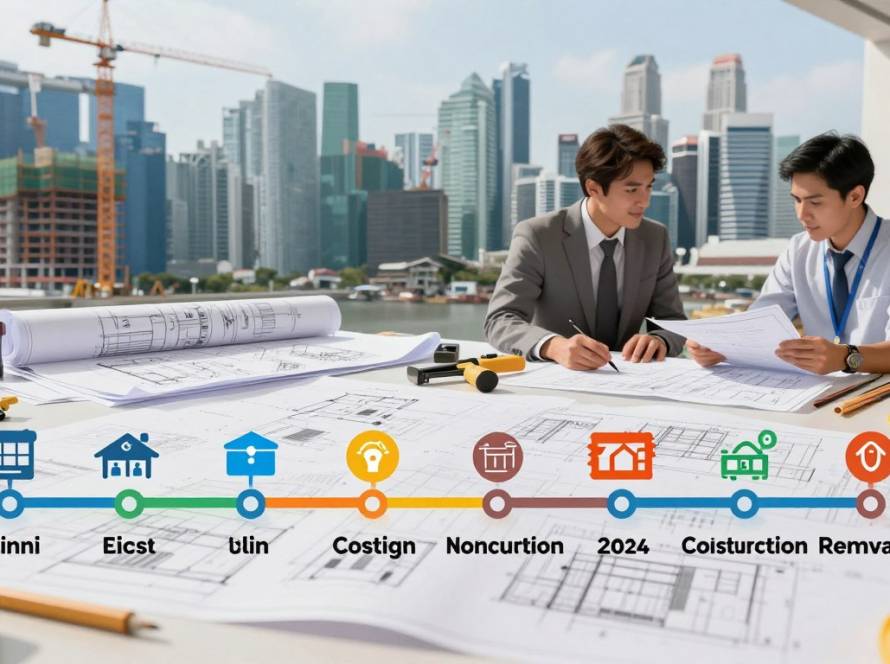
Upgrading a business property involves many moving parts. We understand that navigating the complexities of a commercial renovation permit singapore can feel like a daunting task for any owner. Our team aims to simplify this path for you through expert guidance.
We have compiled this comprehensive checklist to help you prepare for your upcoming professional project. This guide ensures you understand what to expect and how to avoid common pitfalls or delays. Following these organized steps will lead to a successful and stress-free workspace transformation.
Securing an official renovation approval is the vital first step toward launching your new location. We focus on providing quality, transparent, and hassle-free services to every client we partner with. Let us help you manage the technical paperwork so you can stay focused on your primary business goals.
Key Takeaways
- Identify necessary government clearances before starting any physical work.
- Prepare all required structural drawings and documents for submission.
- Engage qualified professionals to handle the application process correctly.
- Ensure your plans follow local safety and fire protection regulations.
- Maintain a clear project timeline to prevent unnecessary financial stalls.
- Verify that all environmental and waste management standards are met.
Understanding Commercial Renovation Permit Singapore Requirements
When planning a commercial renovation in Singapore, it’s essential to grasp the permit requirements to avoid unnecessary delays and costs. Commercial renovation work encompasses a wide range of activities, from structural changes to interior fit-outs.
Understanding what constitutes commercial renovation work and when permits are required is crucial for a successful project. We will break down the different types of work and explain the permit requirements for each.
What Constitutes Commercial Renovation Work
Commercial renovation work includes various activities such as structural alterations, architectural changes, and modifications to mechanical and electrical (M&E) systems. These changes can impact the safety and functionality of a building, necessitating regulatory oversight.
Types of commercial renovation work that may require permits include:
- Structural changes, such as demolishing or altering load-bearing walls
- Architectural changes, including alterations to the building’s facade or layout
- M&E works, such as installing new electrical or plumbing systems
- Fire safety and life safety system modifications
When Permits May Be Required
Permits are typically required for commercial renovation work that affects the structural integrity, safety, or environmental impact of a building. The specific requirements depend on the type and scope of the renovation.
To illustrate when permits may be required, consider the following scenarios:
| Type of Work | Permit Requirement |
|---|---|
| Structural changes (e.g., altering load-bearing walls) | Required |
| M&E system modifications | Required |
| Interior fit-outs (non-structural) | May be required, depending on the scope |
| Fire safety system upgrades | Required |
It’s clear that understanding the permit requirements for commercial renovation in Singapore is vital for avoiding delays and ensuring compliance with regulatory authorities. By identifying the types of work that require permits, you can better plan your project and avoid potential pitfalls.
Types of Commercial Work That Typically Require Approval
Understanding the specific types of commercial renovation work that require approval is vital for a smooth project execution in Singapore. Commercial renovation projects often involve a variety of work, and identifying which components necessitate formal approval is crucial for compliance with regulatory requirements.
Structural and Architectural Changes
Structural and architectural changes are significant aspects of commercial renovations that typically require approval. These changes can include modifications to the building’s foundation, alterations to load-bearing walls, or changes to the architectural design that affect the building’s facade or internal layout.
Examples of structural and architectural changes that may require approval include:
- Demolition or alteration of structural elements
- Changes to the building’s exterior facade
- Modification of internal layouts that affect fire safety or accessibility
M&E Works and System Modifications
M&E (Mechanical and Electrical) works and system modifications are another critical area that often requires approval. This includes the installation, alteration, or removal of mechanical and electrical systems within the commercial premises.
Examples of M&E works that may require approval include:
- Installation of new electrical systems or upgrading existing ones
- Modification of mechanical systems, such as HVAC or plumbing
- Changes to electrical supply or distribution systems
Fire Safety and Life Safety Systems
Fire safety and life safety systems are critical components of commercial buildings, and any modifications to these systems typically require approval. This includes changes to fire alarms, sprinkler systems, emergency lighting, and exit signage.
Examples of fire safety and life safety system modifications that may require approval include:
- Installation or alteration of fire detection and alarm systems
- Changes to fire suppression or sprinkler systems
- Modification of emergency exit signage or lighting
Shop Fit-Out and Interior Alterations
Shop fit-out and interior alterations can also require approval, particularly if they involve significant changes to the internal layout or the installation of new fixtures and fittings.
| Type of Work | Examples | Approval Requirement |
|---|---|---|
| Structural and Architectural Changes | Demolition, facade changes, internal layout modifications | Typically required |
| M&E Works and System Modifications | Electrical system installations, mechanical system changes | Typically required |
| Fire Safety and Life Safety Systems | Fire alarm installations, sprinkler system modifications | Typically required |
| Shop Fit-Out and Interior Alterations | Internal layout changes, new fixtures and fittings | May be required depending on the extent of work |
By understanding the types of commercial work that typically require approval, businesses can better plan their renovation projects and ensure compliance with Singapore’s regulatory requirements.
The Commercial Renovation Approval Flow in Singapore
Navigating the commercial renovation approval flow in Singapore can be complex, but understanding the process is key to a successful project. The approval process involves several stakeholders, including building management and regulatory authorities.
We will guide you through the typical approval flow, highlighting the key steps and timelines involved. It’s essential to understand that the approval process may vary depending on the specific requirements of your building management and the scope of your project.
Building Management Approval Process
The building management approval process is a critical step in the commercial renovation approval flow. This process typically involves submitting your renovation plans to the building management for review and approval.
Key steps in the building management approval process include:
- Submission of renovation plans and documents
- Review by building management
- Potential revisions and resubmission
- Approval and issuance of a permit
Regulatory Authority Requirements
In addition to building management approval, commercial renovation projects must also comply with regulatory authority requirements. This includes obtaining necessary permits and approvals from relevant authorities such as the Building and Construction Authority (BCA).
Regulatory authority requirements may include:
- Compliance with building codes and regulations
- Submission of detailed plans and specifications
- Inspections and testing
Timeline Expectations and Variables
The timeline for commercial renovation approval can vary significantly depending on several factors, including the complexity of the project and the efficiency of the approval process.
| Factor | Impact on Timeline | Typical Duration |
|---|---|---|
| Project Complexity | More complex projects require longer approval times | 2-6 weeks |
| Building Management Efficiency | Efficient building management can expedite the approval process | 1-3 weeks |
| Regulatory Authority Workload | High workload can delay the approval process | 2-4 weeks |
Essential Documents and Drawings Checklist
A comprehensive checklist of essential documents and drawings is vital for a smooth commercial renovation approval process. To ensure that your project gets approved without unnecessary delays, it’s crucial to have all the necessary documents in order.
Architectural and Layout Plans
Architectural and layout plans are fundamental documents required for commercial renovation projects. These plans should include detailed drawings of the proposed layout, elevations, and cross-sections. We recommend that these plans are prepared by a qualified architect or designer to ensure compliance with Singapore’s building regulations.
- Detailed floor plans indicating the proposed layout and changes
- Elevations and cross-sections showing the building’s exterior and structural changes
- Compliance with the Building and Construction Authority (BCA) guidelines
M&E Drawings and Specifications
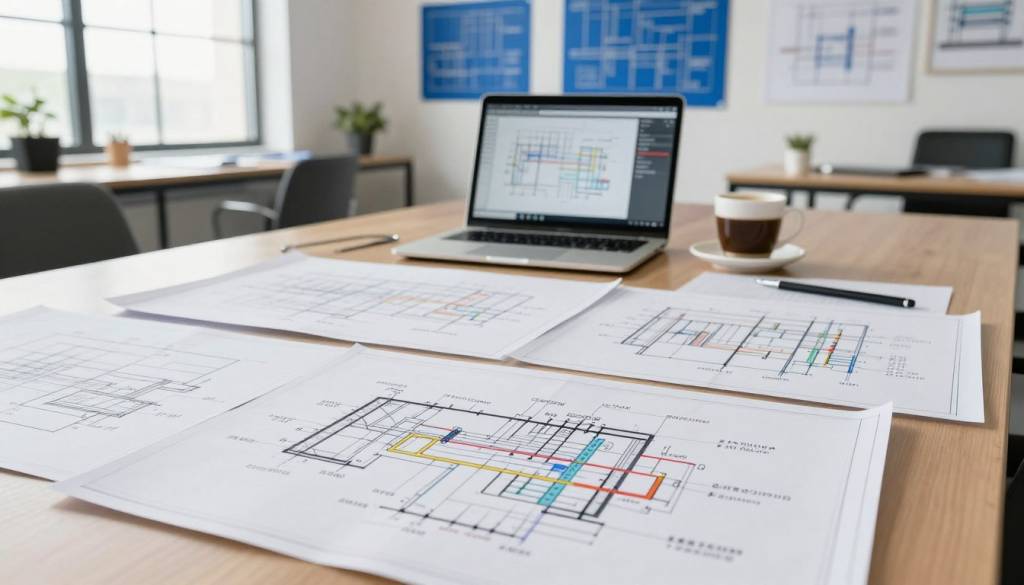
M&E (Mechanical and Electrical) drawings and specifications are critical for ensuring that the renovation work meets the required safety and functionality standards. These documents should detail the proposed M&E systems, including any changes or upgrades.
- M&E drawings showing the layout of mechanical and electrical systems
- Specifications for M&E equipment and materials
- Compliance with relevant Singapore standards and regulations
Method Statements and Work Procedures
A method statement outlines the procedures and safety measures to be implemented during the renovation work. This document is essential for ensuring that the work is carried out safely and in compliance with regulatory requirements.
- Detailed method statements for each phase of the renovation work
- Work procedures that adhere to safety guidelines and regulations
- Identification of potential hazards and mitigation measures
Renovation Schedule and Timeline
A comprehensive renovation schedule and timeline are necessary for planning and executing the project efficiently. This document helps in coordinating the various stakeholders and ensuring that the project stays on track.
- Detailed project timeline, including key milestones
- Schedule of works, including start and completion dates
- Contingency plans for potential delays or disruptions
Insurance and Contractor Documentation
Having the necessary insurance and contractor documentation is crucial for ensuring that the renovation work is carried out by qualified professionals and that the project is adequately insured against potential risks.
- Proof of insurance coverage for the renovation work
- Documentation verifying the qualifications and experience of contractors
- Compliance with relevant regulatory requirements
Contractor and Project Manager Responsibilities
Effective commercial renovation in Singapore requires meticulous planning and execution by skilled contractors and project managers. Their roles are intertwined and crucial for ensuring that the renovation is completed on time, within budget, and in compliance with regulatory requirements.
We understand that the success of a commercial renovation project hinges on the expertise and coordination of these professionals. Let’s delve into the specific responsibilities of licensed contractors and project managers.
Licensed Contractor Requirements
In Singapore, commercial renovation work must be carried out by licensed contractors who are registered with the relevant authorities. These contractors are responsible for ensuring that the renovation work complies with the Building and Construction Authority (BCA) regulations and other relevant codes of practice.
- They must possess the necessary licenses and certifications to undertake the specific type of renovation work.
- Licensed contractors are also responsible for obtaining the necessary permits and approvals from the relevant authorities before commencing work.
- They must adhere to safety standards and regulations to prevent accidents and ensure a safe working environment.
Project Manager Coordination Duties
Project managers play a vital role in coordinating the various stakeholders involved in a commercial renovation project. Their duties include liaising with building management, architects, engineers, and contractors to ensure that the project is executed smoothly.
Some key coordination duties of project managers include:
- Developing and implementing project schedules and timelines.
- Coordinating with stakeholders to ensure that all necessary permits and approvals are obtained.
- Monitoring progress and addressing any issues or delays that may arise during the renovation.
On-Site Compliance and Documentation
Ensuring on-site compliance with regulatory requirements and maintaining accurate documentation are critical aspects of a commercial renovation project. Contractors and project managers must work together to ensure that all work is carried out in accordance with the approved plans and permits.
This includes:
- Maintaining records of all site activities, including inspections and testing.
- Ensuring that all necessary documentation, such as permits and certificates, are available on-site.
- Conducting regular site inspections to verify compliance with safety and quality standards.
Permit Prep Checklist: Your Step-by-Step Guide
A well-planned permit application is crucial for a smooth commercial renovation process in Singapore, and we’re here to walk you through it. To help you prepare, we’ve put together a comprehensive checklist that covers all the necessary steps.
Pre-Application Phase
Before you begin your permit application, it’s essential to understand the requirements and regulations set by the relevant authorities in Singapore. This includes familiarizing yourself with the building management requirements and ensuring that your renovation plans comply with these regulations.
- Review your renovation plans against the existing building layout and regulations.
- Consult with your building management to understand their specific requirements.
- Identify the type of permit required for your commercial renovation project.
Document Preparation Phase
The document preparation phase is critical to a successful permit application. You’ll need to gather and prepare various documents, including architectural and layout plans, M&E drawings, and method statements.
- Prepare detailed architectural and layout plans that comply with Singapore’s building codes.
- Develop comprehensive M&E drawings and specifications.
- Draft method statements and work procedures that outline your renovation process.
Submission and Follow-Up Phase
Once you’ve prepared all the necessary documents, it’s time to submit your permit application. Ensure that you’ve included all required documents and that your application is complete and accurate.
- Submit your permit application to the relevant authorities.
- Follow up with the authorities to ensure your application is being processed.
- Address any queries or concerns raised by the authorities promptly.
By following this step-by-step guide, you’ll be able to navigate the commercial renovation permit Singapore process with confidence, ensuring a smooth and successful renovation project.
Common Mistakes That Lead to Permit Rejection
To ensure a hassle-free commercial renovation experience, it’s essential to understand the common mistakes that can lead to permit rejection in Singapore. Despite the best intentions, mistakes can still occur, leading to delays and additional costs. By being aware of these potential pitfalls, you’ll be able to take steps to avoid them and ensure a smoother approval process.
Incomplete or Inaccurate Documentation
One of the most common reasons for permit rejection is incomplete or inaccurate documentation. This can include missing or incomplete plans, incorrect or missing information, and failure to provide required supporting documents. To avoid this, we recommend double-checking all documentation for accuracy and completeness before submission.
Key documents to review:
- Architectural and layout plans
- M&E drawings and specifications
- Method statements and work procedures
- Renovation schedule and timeline
- Insurance and contractor documentation
Non-Compliance with Building Codes
Non-compliance with building codes and regulations is another common reason for permit rejection. This can include failure to meet fire safety standards, inadequate structural integrity, and non-compliance with accessibility requirements. We recommend working with experienced professionals who are familiar with Singapore’s building codes and regulations.
Inadequate Fire Safety Plans
Fire safety is a critical aspect of commercial renovation projects, and inadequate fire safety plans can lead to permit rejection. This can include failure to provide adequate fire alarms, sprinkler systems, and emergency exit routes. We recommend working with fire safety experts to ensure that your plans meet the required standards.
Fire safety considerations:
- Fire alarms and detection systems
- Sprinkler systems and fire suppression
- Emergency exit routes and signage
- Fire-resistant materials and construction
Missing Stakeholder Approvals
Finally, missing stakeholder approvals can also lead to permit rejection. This can include failure to obtain approval from building management, neighboring property owners, or other relevant stakeholders. We recommend identifying all relevant stakeholders early in the process and obtaining their approval before submitting your permit application.
By being aware of these common mistakes and taking steps to avoid them, you can ensure a smoother and more efficient commercial renovation permit process in Singapore.
How to Avoid Delays in Your Commercial Renovation Approval
To ensure a smooth commercial renovation process in Singapore, it’s crucial to understand the factors that can cause delays in obtaining the necessary permits. A proactive approach can significantly minimize the risk of delays, ensuring your project stays on track.
Early Engagement with Building Management
Engaging with building management early in the process can help identify potential issues before they become major problems. This includes discussing your renovation plans with them to understand any specific requirements or restrictions they may have.
Benefits of Early Engagement:
- Early identification of potential issues
- Better understanding of building management’s requirements
- Improved collaboration and reduced conflict
Working with Experienced Commercial Renovation Services
Partnering with experienced commercial renovation services can significantly reduce the risk of delays. These professionals are well-versed in the regulatory requirements and can guide you through the approval process efficiently.
Key advantages of working with experienced renovation services include:
- Expert knowledge of regulatory requirements
- Efficient handling of the approval process
- Minimized risk of non-compliance
Proper Documentation and Record-Keeping
Maintaining accurate and comprehensive documentation is vital for a smooth approval process. This includes ensuring all necessary drawings, plans, and permits are in order.
| Document Type | Description | Importance |
|---|---|---|
| Architectural Plans | Detailed plans of the renovation | High |
| M&E Drawings | Mechanical and electrical system plans | High |
| Method Statements | Procedures for carrying out the renovation | Medium |
Contingency Planning and Buffer Time
Including contingency planning and buffer time in your project timeline can help mitigate the impact of unexpected delays. This involves identifying potential risks and developing strategies to address them.
By adopting these strategies, you can significantly reduce the risk of delays in your commercial renovation approval process, ensuring your project is completed on time and within budget.
Conclusion
Navigating the complexities of commercial renovation permits in Singapore requires careful planning and preparation. By following the guidelines outlined in this article, you’ll be well-equipped to handle the permit application process and avoid common pitfalls associated with commercial renovation projects.
To ensure a smooth and successful project, consider partnering with a reputable and experienced renovation services provider. Our team can guide you through the process, from initial consultation to project completion, ensuring compliance with all commercial renovation permit Singapore requirements.
For more information on our commercial renovation services in Singapore, please visit our commercial renovation services page or explore our portfolio to see our previous work. If you have any questions or would like to discuss your project, please don’t hesitate to contact us.