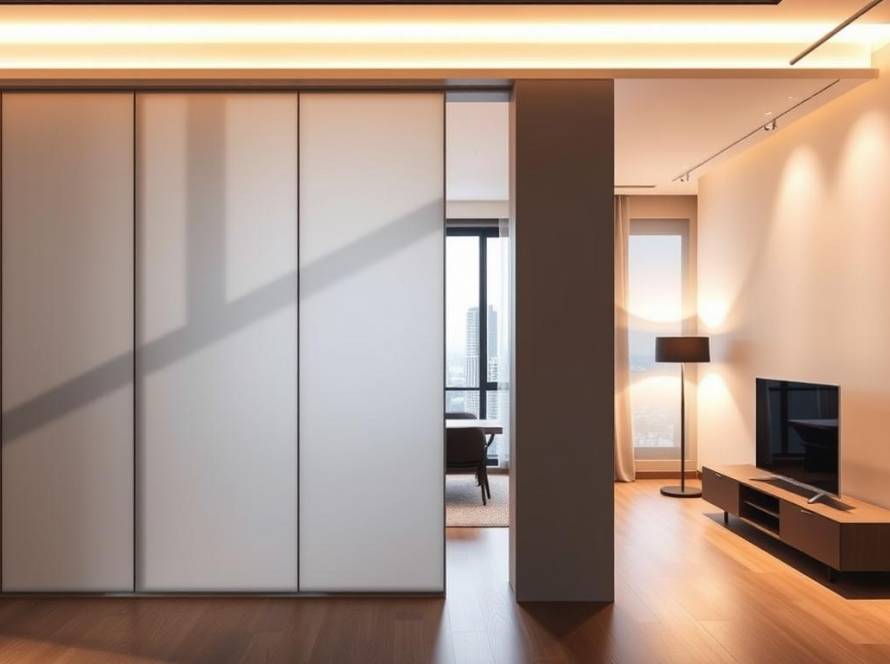
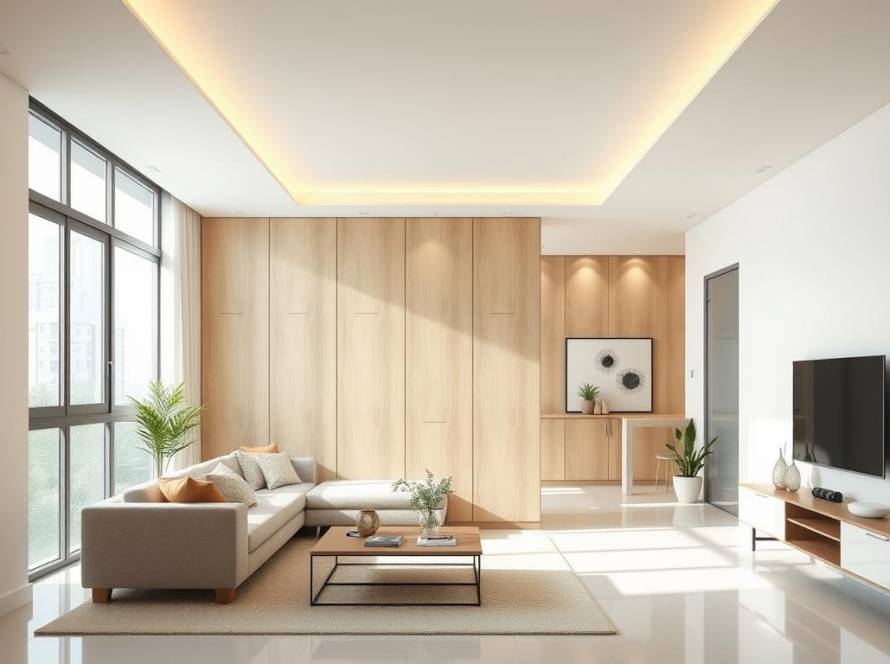
When it comes to dividing spaces within our offices or homes, we are often faced with a crucial decision: choosing between drywall vs glass partition walls. Both options have their unique characteristics, advantages, and disadvantages.
We will explore the differences between these two popular choices, helping you make an informed decision for your construction or renovation project. Our focus will be on various aspects, including composition, installation, cost, durability, and aesthetic appeal, particularly in the context of office and interior design.
By understanding the distinct properties and applications of drywall vs glass partition walls, we can better appreciate how they contribute to effective interior design and office layouts.
Understanding Partition Walls in Modern Spaces
The use of partition walls in modern spaces has revolutionised the way we work and interact. As companies increasingly evaluate the workplace environment, determining how it may help or hinder productivity, inspire or discourage creativity, and boost or harm employee morale, partition walls play a significant role. They are used to divide spaces, enhance privacy, and improve the overall aesthetic appeal of an area.
In modern office design, the incorporation of partition walls allows for a flexible and dynamic work environment. These walls can be used to create private meeting rooms, separate workstations, or define different areas within an open-plan office. The choice between different types of partition walls, such as drywall vs glass partitions, significantly impacts the functionality and ambiance of a space.
Research has shown that the workplace environment can significantly affect employee productivity and morale. By using partition walls effectively, businesses can create a workspace that is both functional and aesthetically pleasing. Whether it’s to enhance privacy, reduce noise levels, or simply to create a more welcoming atmosphere, partition walls are a crucial element in modern interior design.
As we explore the differences between drywall vs glass partition walls, it’s essential to understand the importance of partition walls in modern design. The decision between these two types of partitions depends on various factors, including the desired level of privacy, the need for natural light transmission, and the overall aesthetic desired for the space.
What Are Drywall Partitions?
In Singapore’s bustling construction scene, drywall partitions have become a staple. Drywall partitions are a conventional choice for dividing office spaces due to their affordability and ease of installation. We will explore the different aspects of drywall partitions, including their composition, types available in the Singapore market, and the installation process.
Composition and Structure of Drywall
Drywall is made of gypsum board, which is typically encased in thick paper or fiberglass, offering a smooth finish ready for paint or wallpaper. The gypsum core provides fire resistance, while the outer layers give it durability. This composition makes drywall a versatile material for various construction needs.
Types of Drywall Available in Singapore
In Singapore, several types of drywall are available to suit different project requirements. These include standard drywall for general use, moisture-resistant drywall for areas like bathrooms, and fire-resistant drywall for enhanced safety. The variety available allows builders to choose the most suitable type for their specific needs.
- Standard drywall for general construction purposes
- Moisture-resistant drywall for humid environments
- Fire-resistant drywall for improved safety
Installation Process for Drywall Partitions
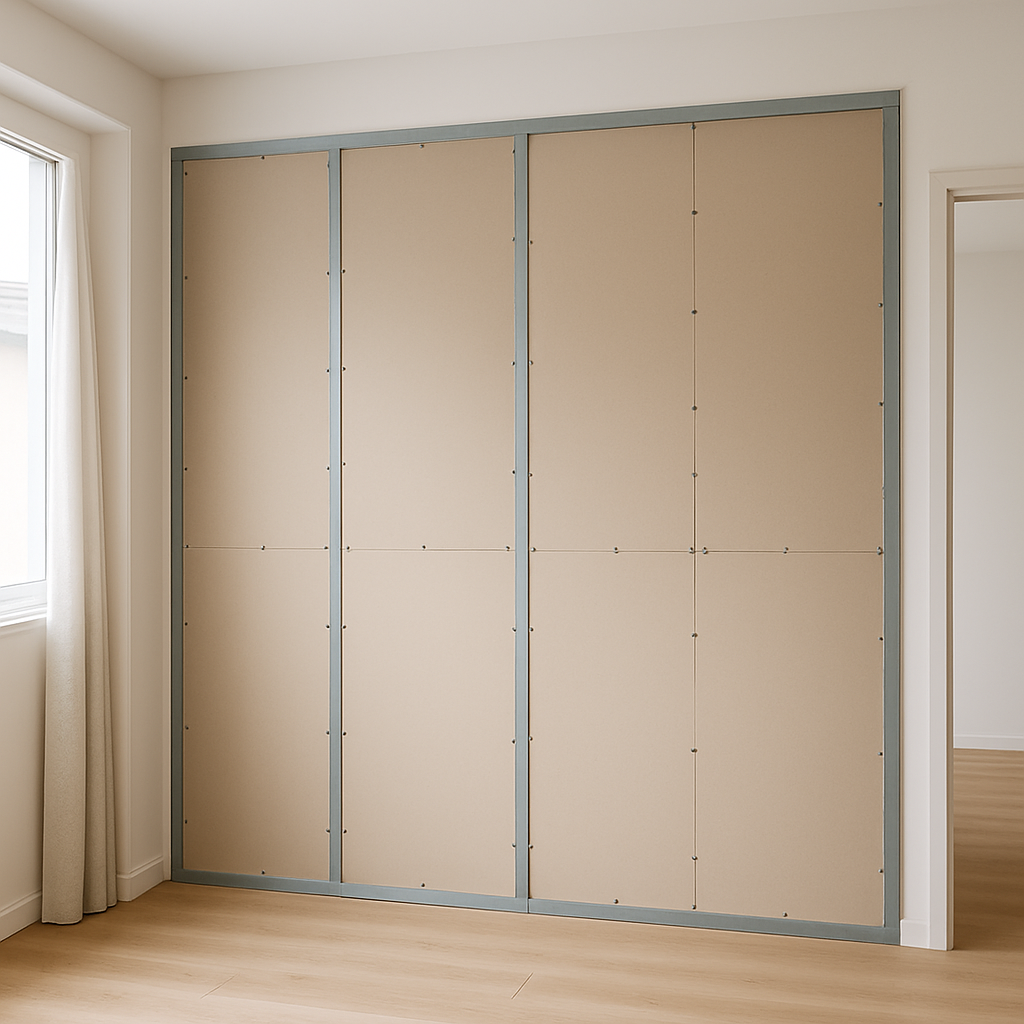
The installation of drywall partitions requires precision and experience, especially for complex designs. The process involves framing the area where the drywall will be installed, followed by attaching the drywall sheets to the frame. Finishing touches include taping, jointing, and sanding to achieve a smooth surface ready for decoration.
While drywall installation can be straightforward for simple designs, complex layouts or large-scale projects may pose challenges, particularly for less experienced contractors. Proper planning and execution are crucial to achieving a high-quality finish.
What Are Glass Partition Walls?
Glass partition walls are revolutionising modern office spaces with their sleek designs. These walls are not just aesthetically pleasing; they also offer functionality by allowing natural light to permeate through the space, creating a brighter and more welcoming environment. We will explore the various aspects of glass partition walls, including the types of glass used, framing options, and the latest technologies in glass partitioning.
Types of Glass Used in Partition Walls
The type of glass used in partition walls can vary based on the desired functionality and aesthetic appeal. Common types include:
- Toughened glass for enhanced safety and durability
- Laminated glass for added security and sound insulation
- Acoustic glass for improved soundproofing
- Low-iron glass for clearer visibility and reduced green tint
Each type of glass has its unique benefits, and the choice often depends on the specific requirements of the office space.
Framing Options for Glass Partitions
Framing options for glass partitions can significantly affect their overall appearance and functionality. Common framing options include:
- Aluminium framing for a sleek, modern look
- Timber framing for a more traditional or warm aesthetic
- Frameless glass partitions for a minimalist, contemporary design
The choice of framing can complement the office decor and enhance the overall ambiance.
Modern Glass Partition Technologies
Modern glass partition technologies have advanced significantly, offering a range of innovative solutions. Some of these include:
- Smart glass technology for switchable transparency
- Electrochromic glass for adjustable tint
- Acoustic glass technologies for improved sound insulation
These technologies not only enhance the functionality of glass partitions but also contribute to energy efficiency and occupant comfort.
Interested in upgrading your space with modern glass partitions? Contact Fortified for cutting-edge, affordable glass partition solutions tailored to your needs.
Drywall vs Glass Partition: Key Differences
When it comes to choosing between drywall vs glass partitions, understanding their differences is crucial. Both types of partitions have their unique characteristics, advantages, and applications. We will examine the key differences to help you make an informed decision for your specific needs.
Visual and Aesthetic Differences
Drywall vs glass partitions differ significantly in terms of visual appeal and aesthetics. Drywall provides a solid, opaque surface that can be finished in various ways to match different interior designs. On the other hand, glass partitions offer transparency and can make a space appear larger and more open.
Structural and Functional Variations
The structural differences between drywall vs glass partitions are notable. Drywall is typically made from gypsum plaster sandwiched between two layers of paper, making it a more traditional choice. Glass partitions, however, are made from glass panels framed in metal or other materials. Functionally, drywall is better at sound insulation and providing privacy, whereas glass partitions allow for natural light to flow through and can create a sense of openness.
Weight and Load-bearing Considerations
The weight and load-bearing capacity of drywall vs glass partitions vary. Drywall is generally lighter and can be more easily modified or extended. Glass partitions, while heavier due to the glass panels, can be designed to be structurally sound. However, their load-bearing capacity depends on the framing and installation.
Acoustic Properties Comparison
In environments where sound privacy is paramount, understanding the acoustic properties of drywall vs glass partitions is essential. The ability of partition walls to insulate sound is a significant factor in deciding between these two options.
Sound Insulation Capabilities of Drywall
Drywall offers moderate soundproofing capabilities, which can be significantly enhanced with the use of specialized gypsum boards. These boards are designed to provide better sound insulation, making drywall a viable option for spaces requiring a certain level of sound privacy.
- Standard drywall provides a basic level of sound insulation.
- Specialized gypsum boards can be used to enhance soundproofing.
- Additional treatments, such as acoustic insulation, can further improve drywall’s sound insulation capabilities.
Acoustic Performance of Glass Partitions
Glass partitions, while aesthetically pleasing and capable of making spaces appear larger, generally require additional treatments to achieve satisfactory soundproofing. The acoustic performance of glass partitions can be improved with the use of laminated glass and acoustic seals.
- Laminated glass can significantly enhance the sound insulation of glass partitions.
- Acoustic seals around the edges of glass partitions help prevent sound leakage.
- Thicker glass or double-glazed glass units can also improve sound insulation.
Solutions for Enhancing Sound Privacy
To enhance sound privacy, whether using drywall or glass partitions, several solutions can be employed. These include the use of acoustic insulation materials, sealing gaps and joints, and incorporating sound-absorbing elements into the design.
- Acoustic insulation materials can be integrated into both drywall and glass partition systems.
- Sealing all gaps and joints is crucial to prevent sound leakage.
- Incorporating sound-absorbing elements, such as acoustic panels, can enhance overall sound privacy.
Light Transmission and Space Perception
The choice between drywall vs glass partition walls can make a substantial difference in how natural light is distributed throughout a space. As we explore the impact of these partition types, it’s essential to consider how they affect the overall ambiance and brightness of a room.
Natural Light Flow with Glass Partitions
Glass partitions are renowned for their ability to allow natural light to flow freely between spaces. Unlike drywall, glass does not obstruct the path of light, creating a brighter and more welcoming environment. This characteristic is particularly beneficial in office settings or homes where natural light is limited.
- Enhances the sense of openness and spaciousness
- Allows for the free flow of natural light between rooms
- Creates a modern and sleek aesthetic
Enhancing Space with Transparency
Transparent glass partitions can make a room appear larger by creating a sense of continuity between spaces. This transparency also fosters a sense of connection among occupants, promoting a more collaborative and open work environment.
Some benefits of using glass partitions for space enhancement include:
- Visual expansion of smaller spaces
- Improved communication and collaboration
- Aesthetic appeal with a modern, sleek look
Drywall’s Impact on Room Brightness
Drywall, on the other hand, can significantly impact the brightness of a room, especially if not properly lit. While drywall provides excellent sound insulation and privacy, it can make a space feel darker and more enclosed if natural light is not adequately supplemented with artificial lighting.
To mitigate this, consider:
- Strategic placement of light fixtures
- Using lighter paint colours on drywall surfaces
- Installing LED lighting to enhance brightness
In conclusion, the type of partition wall chosen can significantly influence the light transmission and space perception in any given area. By understanding the effects of glass partitions and drywall on natural light and room brightness, we can make informed decisions to optimize our spaces.
Privacy and Visibility Considerations
The choice between drywall vs glass partitions significantly impacts the privacy and visibility within a workspace. When considering partition walls, it’s essential to weigh the importance of privacy against the benefits of openness.
Privacy Solutions for Glass Partitions
Glass partitions can be customized to enhance privacy without sacrificing their aesthetic appeal. Techniques such as frosting or tinting can be applied to glass partitions to obscure visibility while still allowing natural light to filter through. Additionally, smart glass technology offers a dynamic solution, enabling the glass to switch from transparent to opaque with the touch of a button.
Creating Private Spaces with Drywall
Drywall provides a more traditional approach to creating private spaces. By installing drywall partitions, you can effectively section off areas within an open-plan office, creating secluded spaces for focused work or confidential discussions. The solidity of drywall ensures a high level of privacy, making it an ideal choice for areas that require confidentiality.
Balancing Openness and Seclusion in Office Designs
Achieving a balance between openness and seclusion is key to designing an effective office space. While open areas can foster collaboration and creativity, private spaces are essential for tasks that require concentration or confidentiality. By strategically using a combination of drywall vs glass partitions, you can create a workspace that caters to various needs, promoting both collaboration and productivity.
Installation Complexity and Customisation Options
When deciding between drywall vs glass partitions, understanding the installation complexity and customisation options is crucial. The process of installing these partitions can significantly impact the overall cost, timeline, and final appearance of your space.
Installing drywall partitions can be a relatively straightforward process, especially for experienced contractors. However, it requires precision to ensure that the walls are level, plumb, and securely fastened to the surrounding structure. The customisation options for drywall are quite versatile, allowing for various finishes, such as paint, wallpaper, or textured surfaces. Additionally, drywall can be easily modified on-site to accommodate any unexpected changes or requirements.
On the other hand, glass partitions require precise measurements and handling to ensure a perfect fit within the allocated space. The installation process involves specialised labour and equipment, particularly for frameless glass systems. Despite the complexity, glass partitions offer a high degree of customisation in terms of glass type, framing options, and integration with other materials like metal or wood. Modern glass partition technologies have also introduced innovative features such as switchable glass, which can change from transparent to opaque with the touch of a button.
In terms of customisation, both drywall and glass partitions offer a range of options to suit different design requirements. For drywall, this includes:
- Variety of finishes: paint, wallpaper, or textured surfaces
- Ease of modification on-site
- Integration with other building services like electrical outlets or lighting
For glass partitions, customisation options include:
- Different types of glass: tinted, laminated, or tempered
- Framing options: frameless, semi-framed, or fully framed
- Integration with smart glass technology for dynamic privacy control
Choosing between drywall vs glass partitions will depend on your specific needs regarding installation complexity, customisation, and the overall aesthetic you wish to achieve in your space.
Durability and Maintenance Requirements
Understanding the durability and maintenance requirements of partition walls is key to making an informed decision. When it comes to durability, both drywall and glass partitions have their unique characteristics.
Drywall partitions, while versatile and widely used, are prone to dents and scratches, particularly in high-traffic areas. However, with proper maintenance, they can last the lifetime of a building. Regular inspections and prompt repairs can significantly extend their lifespan.
On the other hand, glass partitions are known for their high durability and resistance to wear and tear. They are less likely to suffer from damage and require less maintenance compared to drywall. The ease of cleaning and resistance to scratches and fading make glass partitions an attractive option for many.
In terms of maintenance, drywall requires more frequent checks and potential repairs, especially after any significant incidents like water leaks or physical impacts. Glass partitions, being more resilient, demand less upkeep, mainly requiring regular cleaning to maintain their appearance and functionality.
Your specific needs regarding durability and maintenance should be consider when choosing between drywall vs glass partitions. By understanding these factors, you can select the most appropriate partition wall for your space, ensuring it meets your long-term requirements and minimizes maintenance costs.
Cost Analysis: Initial Investment and Long-term Value
The financial aspect of choosing between drywall and glass partitions is multifaceted, involving both initial costs and long-term economic benefits. When evaluating the cost of partition walls, it’s essential to consider not just the upfront expenses but also the value they bring over time.
Installation Costs in Singapore
In Singapore, the installation costs for drywall and glass partitions can vary significantly. Drywall partitions, particularly those made from standard gypsum board, are generally more cost-effective, with prices ranging from SGD 30 to SGD 60 per square meter, depending on the complexity of the design and the quality of the materials used.
Glass partitions, on the other hand, can be more expensive, with costs starting from SGD 100 per square meter for basic frameless glass systems to over SGD 300 per square meter for more sophisticated designs that include advanced glazing technologies.
Long-term Economic Considerations
Beyond the initial installation costs, it’s crucial to consider the long-term economic implications of your choice. Drywall partitions, while cheaper upfront, may require more frequent maintenance and can be less durable than glass partitions. Glass partitions, despite their higher initial cost, can offer long-term economic benefits through increased productivity and employee satisfaction due to their ability to enhance natural light flow and create more open, collaborative workspaces.
Return on Investment for Commercial Properties
For commercial properties, the return on investment (ROI) is a critical factor. Glass partitions, with their modern aesthetic and ability to enhance the work environment, can potentially increase property value and attract higher rental income. Additionally, the flexibility and ease of reconfiguration offered by both drywall and glass partitions can be a significant advantage, allowing businesses to adapt their spaces as needed without incurring substantial renovation costs.
By looking at comprehensive cost analysis between drywall and glass partition, it can help you to consider both the initial investment and the long-term value they bring to your space.
Conclusion
Choosing between drywall vs glass partition walls depends on a variety of factors, including cost, installation requirements, durability, and the specific needs of a space.
By understanding the differences between these two options, you can make an informed decision that enhances the functionality, aesthetic appeal, and overall value of your space. We have explored the key differences between drywall and glass partition walls, from their composition and installation to their acoustic properties and cost implications.
So, choosing between drywall vs glass partition walls will depend on your specific needs, budget, and design preferences. Whether you prioritise sound insulation, natural light, or flexibility, selecting the right partition wall is crucial for creating an effective and efficient space.
Need help creating stylish partitions without overspending? Contact Fortified for smart, budget-friendly partition solutions tailored to your space and style.