
Painting for house work in Singapore is more than choosing a colour and buying a few tins. HDB flats, condos and landed homes each have different rules on what an owner may paint. Our heat and humidity quickly expose the wrong paint or poor preparation. The HDB guidelines alone separate what needs a permit, what doesn’t, and what you must never paint over.
Related service: Need a licensed contractor? See our house painting services for itemised quotes and BCA-licensed, in-house painters.
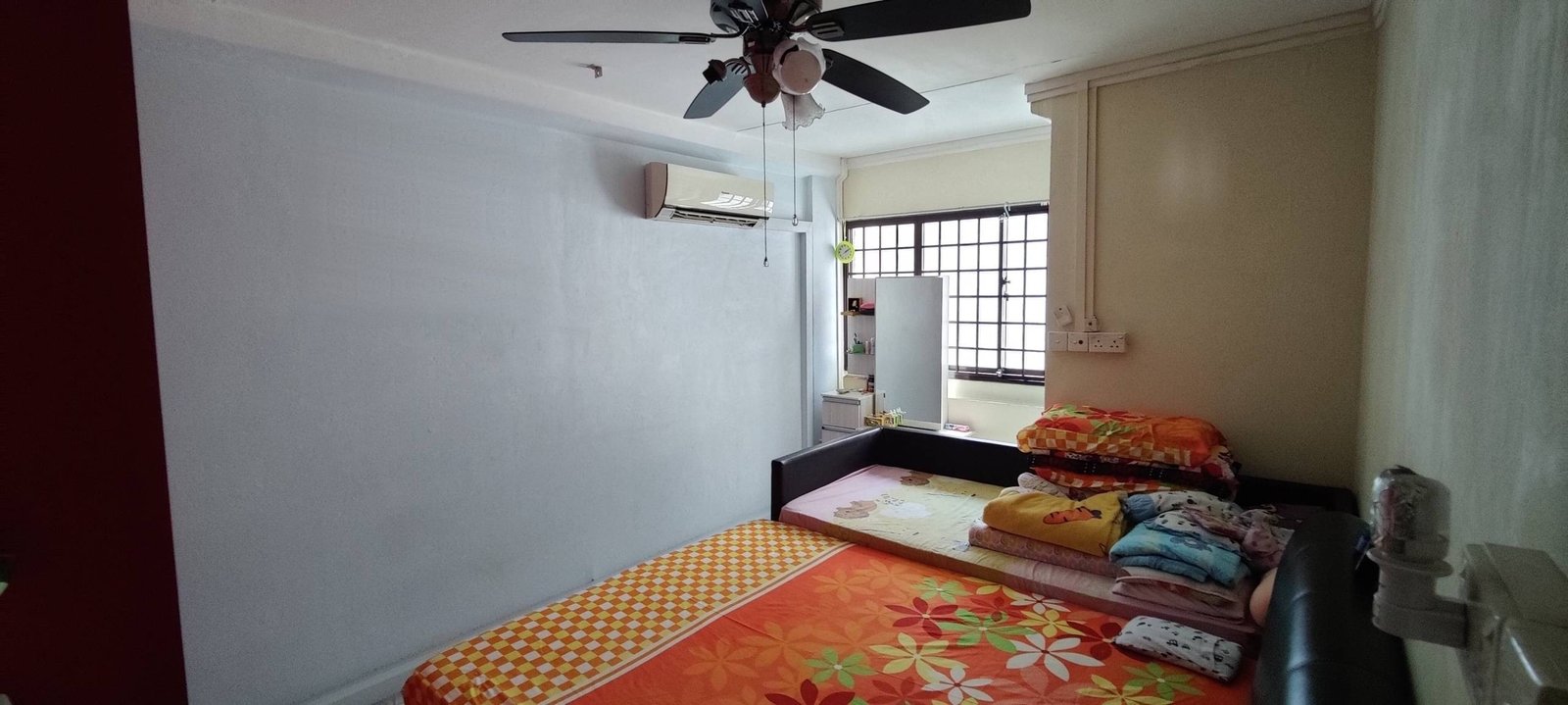
In this guide, we cover what to check before the first coat goes on. That includes the rules for your property type, the right paint for each room, the preparation that decides how long the finish lasts, how to time the job around the weather, and what drives the quote. Whether you are refreshing one room or the whole house, these checks save you from repainting sooner than you should.
Painting for House in Singapore: Why Planning Comes First
Most painting problems we are called in to fix were set up before anyone picked up a roller. The paint was wrong for the room, the walls were damp or the job ran into a week of rain. Planning first is how you avoid paying for the same job twice.
Singapore’s climate is hard on paint
Singapore is hot and humid all year, with heavy rain in both monsoon seasons. Humidity feeds mould and mildew on walls and ceilings, especially in bathrooms, kitchens and rooms with little airflow. Strong sun fades and chalks exterior paint. A finish that would last for years in a drier climate can start to look tired much sooner here if the paint and preparation are not right.
Three questions to settle before you ask for quotes
Settle these three questions first so that every contractor prices the same job:
- Which surfaces? Walls only, or ceilings, doors, grilles and the household shelter too? Interior only, or the exterior as well for a landed home?
- Same colour or a change? Going from a dark feature wall to a light shade, or covering stains and patches, usually needs more coats than refreshing the existing colour.
- Will you be living in during the works? If yes, the job must be planned room by room, with furniture moved and covered in stages and each room aired before you use it again.
Painting for House Rules for HDB Flats
HDB owners have the simplest rules of the three property types, but there are still a few points that catch people out.
What you can paint without a permit
Under HDB’s guidelines on building works, painting the internal walls of your flat needs no renovation permit. You may also paint the external side of your main door or metal grille gate without a permit. For most repainting jobs inside a flat, you can go ahead once you have chosen your contractor and colours.
What you must not paint over
You may paint the walls, ceiling and door of your household shelter. However, HDB does not allow painting over or covering the shelter door notice, locking bolts or door seal. These parts must stay visible and working. Point them out to your painter before work starts, especially if the shelter is used as a storeroom and is easy to rush through.
Corridors and the outside of the block
The outside of your block and the common corridors are common property maintained by the Town Council. They are not part of a flat repaint, so leave common walls alone even if they look tired. If something outside your unit needs attention, raise it with your Town Council.
Painting for House Rules for Condos
Condo owners have more freedom inside the unit, but anything that changes how the building looks from outside is a different matter.
When you need MCST approval
Under section 37(3) of the Building Maintenance and Strata Management Act, a unit owner must not make an improvement that affects the appearance of the building without the management corporation’s authority. In practice, this covers surfaces visible from outside, such as balcony walls, planter boxes and external-facing doors. If you want a balcony wall in a different colour, ask the MCST first.
Renovation by-laws to check with your managing agent
Painting interior walls is usually straightforward. Most MCSTs still have renovation by-laws covering permitted working hours, protecting lifts and common areas, and a renovation deposit. Check these with your managing agent before the painters arrive, so the job isn’t stopped on the first morning.
Painting for House Rules for Landed Homes
Landed owners can paint both the inside and the outside of the house. That freedom makes the choice of exterior paint and surface preparation the biggest decisions in the job.
Exterior painting on landed property
Exterior walls take the full force of sun and rain. Before repainting, check for algae and moss, hairline cracks, flaking paint and water marks below windows and ledges. Each needs treating before new paint goes on. Exterior jobs also need safe access to upper floors, so ask how the contractor will reach high walls and what that does to the schedule.
Conserved houses and URA paint guidelines
Conserved buildings are the exception. In URA’s residential historic districts, such as Emerald Hill, Cairnhill and Blair Plain, the restoration guidelines call for traditional paint schemes and colours. They also say black should not be used as a base colour, and original painted murals and cut-tile decorations must not be painted over. If your house is conserved, check URA’s guidelines before you choose colours.
Choosing Paint for Each Room of Your House
Using one paint for the whole house is the most common shortcut, and the most common reason for repainting early. Matching the paint to each room costs little more and lasts much longer.
Bedrooms and living areas
Choose a washable interior emulsion for these rooms. Fingerprints, scuffs and marks from children wipe off without lifting the paint. A matt or low-sheen finish hides small surface flaws. A slightly higher sheen is easier to clean in busy areas such as corridors.
Kitchens, bathrooms and service yards
These rooms stay humid, so use an anti-mould or anti-fungal paint. Ordinary emulsion in a bathroom tends to develop black spots, especially on the ceiling above the shower. Good ventilation helps any paint last longer, so run the exhaust fan or keep windows open after cooking and showering.
Ceilings
Use a ceiling white, ideally an anti-mould one, in kitchens, bathrooms and bedrooms that stay closed for long periods. Ceilings are also where water stains from upstairs leaks show first. Have any leak repaired before repainting, or the stain will come back through.
Exterior walls
For landed homes, use a weather-resistant exterior paint with algae resistance over a sealer. For comparison, HDB has said the external walls of its new flats get one coat of water-based sealer and two coats of algae-resistant emulsion paint (as reported by Malay Mail). That is a sensible minimum for any exterior in our climate.
Low-VOC paint and the Singapore Green Label
If young children, elderly family members or anyone with allergies live at home, choose a low-VOC paint to reduce fumes during and after the job. A simple check is the Singapore Green Label on the product. Many major brands carry it on their interior ranges.
Not sure which paint suits which room? Fortified works with Nippon, Dulux and Jotun, and our professional painting services include recommending the right product for each room.
Preparing Your House for Painting
New paint only holds as well as the surface underneath. Preparation is the least visible part of the job and the one that decides how long the finish lasts.
Treat damp and mould first
Treat mould with a fungicidal wash and let the wall dry fully. Then find out where the moisture is coming from, such as a leaking pipe, a failed window seal or poor ventilation. Painting over mould without fixing the cause only hides it for a few months.
Repair cracks, holes and old paint
Fill cracks and nail holes, then sand them flush, or they will show through the new coat. Scrape back peeling or chalky paint to a sound surface, because new paint applied over a loose layer will peel along with it. Clean greasy kitchen walls before painting, or the new paint will not stick.
Use a sealer or primer coat
A sealer or primer coat evens out how the wall absorbs paint and helps the finish coats bond. This matters most on new plaster, repaired patches and colour changes. At Fortified, a sealer coat followed by two coats of paint is our standard finish.
Protect furniture and floors
Move furniture to the centre of the room and cover it, mask switches, sockets and frames, and lay protective sheets over the floor. If you are living in during the works, agree which rooms will be done on which days so you always have somewhere to sleep and work.
For the full sequence from masking to the final coat, see our step-by-step house painting process.
Timing Painting for House Around the Weather
Weather affects interior and exterior jobs differently, but it is worth planning around for both.
Exterior work and the monsoon seasons
Singapore has two monsoon seasons, the Northeast Monsoon from around December to early March and the Southwest Monsoon from around June to September, with inter-monsoon periods in between that often bring afternoon thunderstorms (Meteorological Service Singapore). For exterior painting, build buffer days into the schedule and avoid starting a coat when rain is likely. Rain on wet paint means sanding back and redoing that section.
Ventilation and moving back in
Interior work is less affected by the weather but still needs airflow. Keep windows open and fans running while the paint dries. Drying and recoat times vary by product and by humidity, so follow the paint maker’s data sheet rather than a rule of thumb. If you are moving back into a freshly painted bedroom, air it out well first, especially if anyone at home is sensitive to smells.
What Affects the Cost of Painting for House
Painting quotes in Singapore vary a lot because the jobs vary a lot. Knowing what drives the price helps you compare quotes fairly.
Size and surfaces
The number of rooms, wall and ceiling area, ceiling height and extras such as doors, grilles and the household shelter all add to the labour involved. High ceilings and stairwells in landed homes need extra equipment and time.
Repairs and preparation
Walls with mould, cracks, water stains or peeling paint take more preparation time before any colour goes on. This is often where two quotes for the “same” flat differ most.
Paint choice and colour changes
Specialist paints, such as anti-mould, low-VOC and exterior weather-resistant ranges, cost more than standard emulsion. A dark-to-light colour change may need an extra coat.
Getting comparable quotes
Ask every contractor for an itemised quote that lists each room, surface, paint product and number of coats. That lets you compare line by line instead of comparing a single total. Our house painting cost guide breaks down what drives the price for HDB, condo and landed homes.
Common Painting for House Mistakes to Avoid
These are the mistakes we see most often when homeowners call us to repaint a job that was done recently:
- Painting over mould or damp without fixing the moisture source.
- Skipping the sealer or primer on repaired patches or new plaster, leaving a blotchy finish.
- Using one paint everywhere, including bathrooms and kitchens.
- Repainting a condo balcony a new colour without asking the MCST.
- Painting over the household shelter door notice, locking bolts or seal.
- Starting exterior work with no weather buffer during the monsoon season.
- Comparing quotes by total price only instead of the itemised scope.
For a frank look at when DIY makes sense and when it doesn’t, read professional vs DIY painting. If you are still choosing colours, browse our house painting design ideas.
Painting for House: Frequently Asked Questions
What type of paint should I use for my house?
Use different paints for different rooms. A washable interior emulsion suits bedrooms and living areas. An anti-mould or anti-fungal paint suits kitchens, bathrooms and ceilings. A weather-resistant exterior paint with algae resistance suits outside walls. Apply a sealer coat first wherever the wall is new, repaired or changing colour.
Which type of painting is best for a home?
For most Singapore homes, a full repaint with a sealer coat and two finish coats gives the most even and longest-lasting result. A single feature wall is the simplest way to change a room’s look without repainting everything. If mould or damp is the problem, an anti-mould system matters more than the colour.
How much does it cost to paint a whole house in Singapore?
It depends on the size of the home, the paint system and how much repair the walls need. As a guide, Fortified’s published full-unit packages start from $899 for a studio or 2-room flat, from $1,549 for a 4-room HDB flat and from $2,800 for the interior of a landed home, which is quoted after a site visit. See the full house painting price list or our house painting cost guide.
Do I need an HDB permit to repaint my flat?
No. HDB’s building works guidelines list painting of internal walls as work that needs no permit. You can also paint the external side of your main door or gate without a permit. Don’t paint over the household shelter door notice, locking bolts or door seal.
Can I repaint my condo balcony a different colour?
Only with your MCST’s approval. Under the Building Maintenance and Strata Management Act, changes that affect how the building looks need the management corporation’s authority, so check with your managing agent first.
What paint works best in Singapore’s humidity?
Use anti-mould or anti-fungal paint in kitchens, bathrooms and on ceilings, and a washable emulsion in bedrooms and living areas. For exteriors, use a weather-resistant paint with algae resistance over a sealer coat.
How do I know when it is time to repaint?
Look for fading, peeling or chalky patches, mould spots that come back after cleaning, and marks that no longer wipe off. If you see damp patches, fix the source of the moisture before repainting.
Conclusion
A good painting for house job in Singapore starts before the first coat. Know the rules for your HDB flat, condo or landed home. Match the paint to each room, and prepare the walls properly. Time exterior work around the weather, and compare itemised quotes rather than totals. Do that, and your new finish will look good for much longer.
Ready to repaint? Contact Fortified for house painting services by BCA-licensed, in-house painters for HDB flats, condos and landed homes, or WhatsApp us at +65 9097 5182.